
Order fields, patient and plan context, diagnosis, requested testing, and attachments arrived with uneven completeness.
Case study
A diagnostic laboratory network assembles the evidence required for payer review.
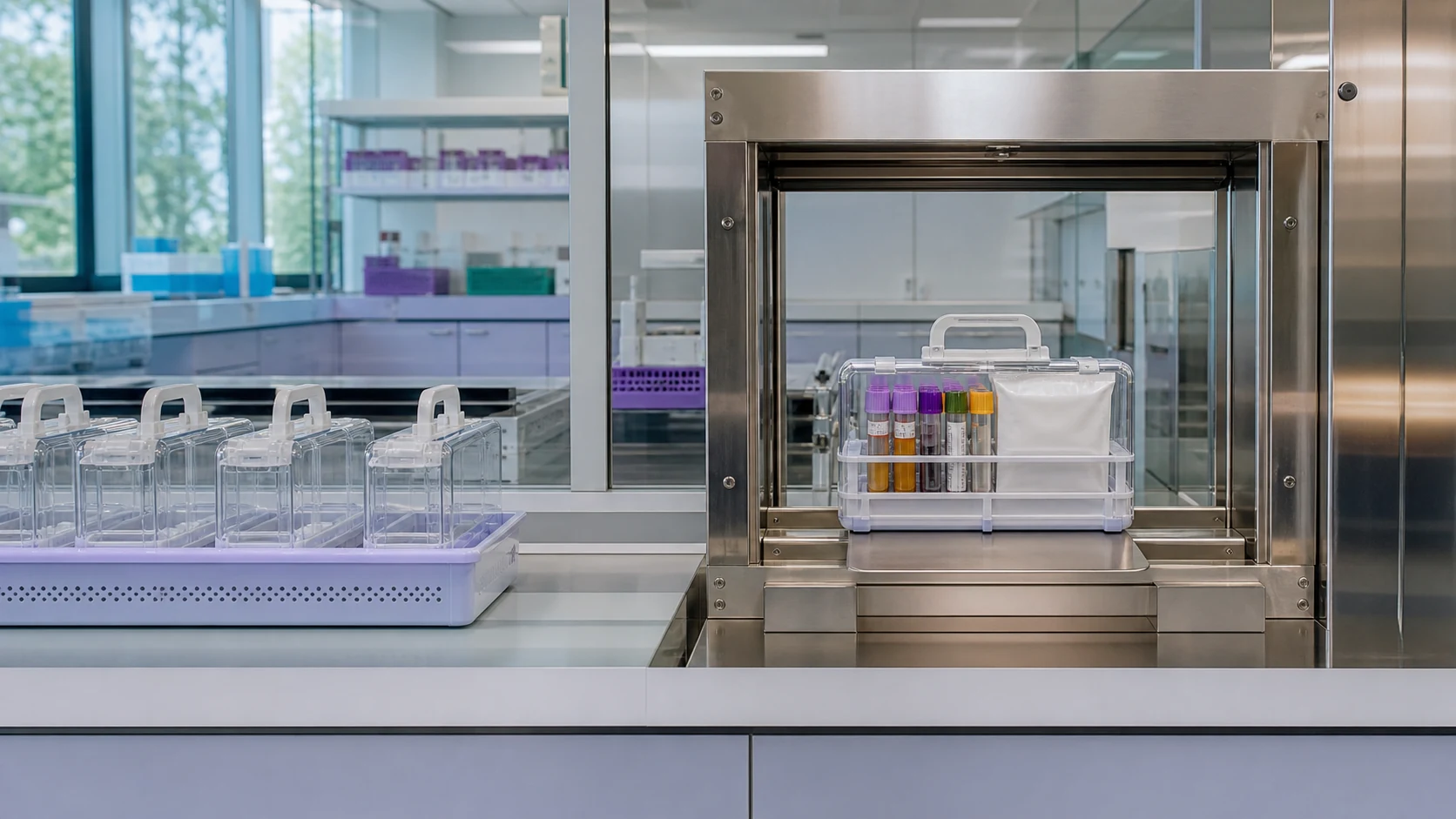
Diagnostic laboratory network
Carric built a review that checks administrative completeness and uses artificial intelligence to assemble clinical evidence, while qualified reviewers retain clinical and coverage decisions.
Laboratory teams rebuilt payer evidence from scattered clinical and administrative records.
One of our clients, a diagnostic laboratory network, receives complex test orders from providers and health systems. Before testing, the operation may need to confirm patient and plan context, order completeness, coverage conditions, diagnosis and clinical documentation, prior authorization state, laboratory criteria, and the evidence required for payer review.
Before Carric, staff moved between the lab order, provider documentation, payer rules, authorization portals, policy references, and internal work queues. Deterministic checks such as required fields and current plan context were mixed with evidence interpretation and decisions that required qualified human authority. Missing documentation often appeared late, after several manual touches.
One order revealed the recurring failure mode. The required clinical evidence existed across a note, a result, and a specialist record, but the packet did not show how those records connected to the applicable payer criteria. Testing readiness depended on rebuilding the chain and identifying the one unresolved condition before work proceeded.
Carric built a governed pretesting payer-review system. It assembles the order and coverage context, runs deterministic completeness checks, retrieves and organizes relevant evidence, maps records to the applicable criteria, and routes unresolved clinical or payer conditions to the appropriate reviewer. Carric does not make a clinical determination or guarantee coverage. The case records the human decision and every source used before the laboratory proceeds.
Notes, results, policies, authorization state, criteria, and prior correspondence had to be assembled manually.
The decision record did not always preserve the complete connection between evidence, criteria, authority, and next action.
How a laboratory order moves from intake to complete payer-review packet
Pretesting reviews now separate completeness checks from clinical and coverage decisions.
The system organizes the administrative and evidence path. It does not practice medicine, determine medical necessity, or promise payer approval.
What changed operationally
Reviewers can inspect the supporting records and outstanding requirements.
The operation gains consistency and traceability while preserving clinical, payer, and laboratory decision boundaries.
Complete order context
Patient, plan, provider, diagnosis, requested test, authorization, and source documents stay together.
Routine checks separated
Deterministic completeness and administrative rules run before qualified reviewers spend time on interpretation.
Evidence mapped to criteria
Each relevant record is connected to the applicable condition, source, date, and confidence.
Human decisions fully traced
The reviewer, reason, criteria, evidence, next action, and laboratory confirmation remain in one record.
Downloadable system views
See how teams prepare evidence for payer review.
The PDF shows the key screens and explains how teams review evidence and make decisions.
The views use simulated data.
Where this pattern appears in your healthcare operation
Which payer review reaches qualified staff with missing documentation?
Bring one recurring review, the evidence staff assemble, and the authority boundaries that must remain intact. We will use the first call to identify the right operating system.
Book a 30-minute fit call No formal brief is required.