
The RFQ could contain controlled attachments, revisions, customer specifications, and incomplete commercial context.
Case study
An aerospace manufacturer verifies what it can build before quoting.
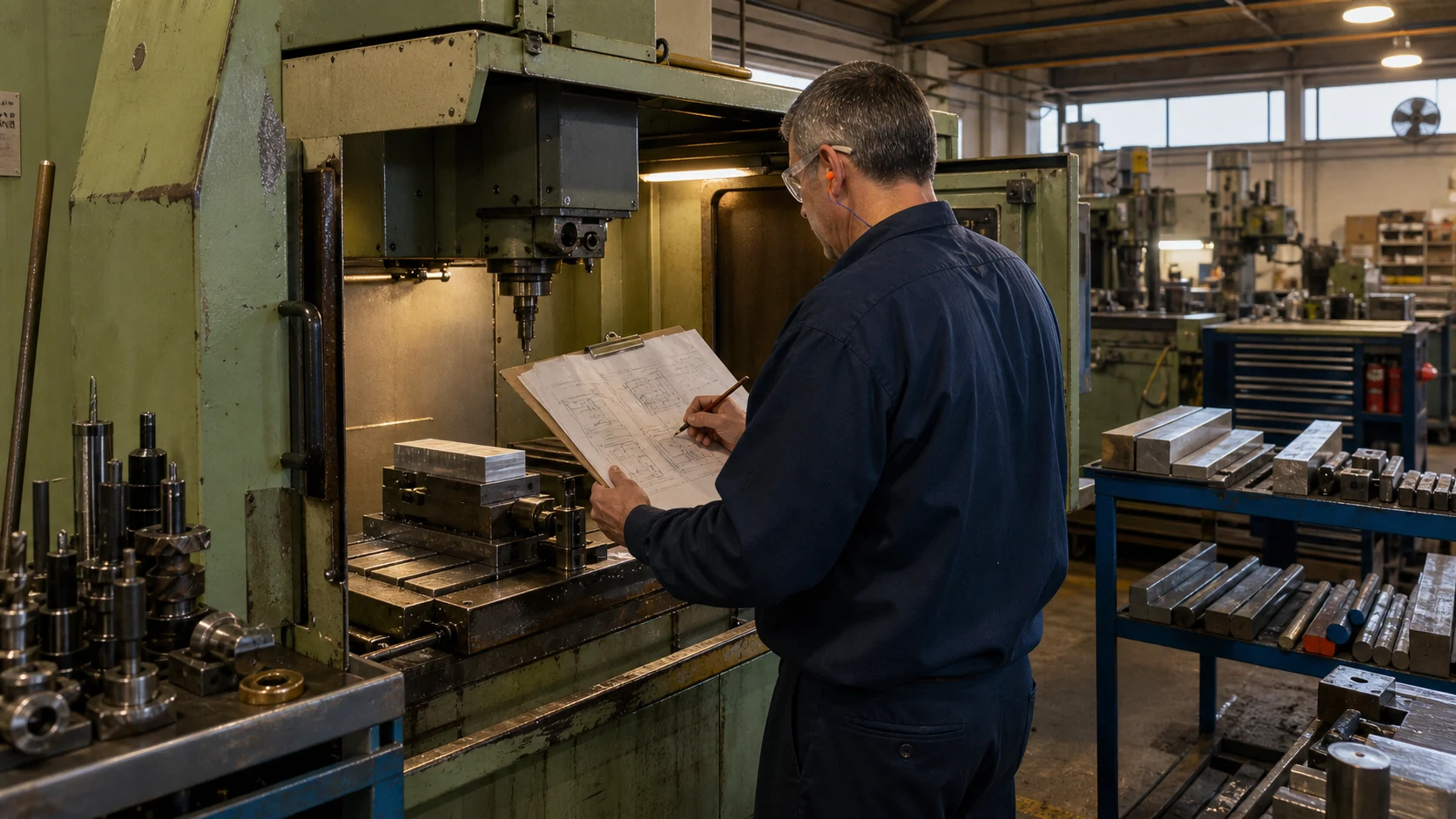
Advanced aerospace and defense manufacturer
Carric connected requirements, approved production processes, capacity and supplier records so engineering and commercial teams can review the basis of each quote.
Five teams checked whether each requested part could be manufactured and delivered.
One of our clients, an advanced aerospace and defense manufacturer, receives RFQs containing drawings, material and resin requirements, operating conditions, quality clauses, process specifications, controlled attachments, quantities, and delivery expectations. A commercial response depends on coordinated engineering, manufacturing, quality, supply-chain, and capacity decisions across specialized facilities.
Before Carric, the package moved through email, shared drives, spreadsheets, and separate system checks. Engineering interpreted drawings. Quality reviewed clauses and approved processes. Operations looked for the right facility and capacity. Supply Chain confirmed materials and outside services. Commercial teams waited for those answers before they could prepare a quote.
One RFQ made the constraint visible. The base component matched an existing process, but a drawing revision introduced a quality clause that affected inspection and an outside-process requirement at another site. The response looked nearly complete until the conflict surfaced. The team needed one place to see what matched, what did not, who had authority, and whether every dependency was reflected in the quote.
Carric built a governed RFQ qualification and quote system around the existing engineering, quality, planning, supplier, and commercial sources. It extracts requirements, checks capability and approved processes, identifies missing or conflicting evidence, assesses capacity and supplier dependencies, and assembles a traceable quote recommendation. Engineering and Quality decide technical exceptions. Commercial owners approve the offer.
Engineering, Quality, Operations, Supply Chain, and Commercial teams worked from separate tools and handoffs.
A late process, inspection, supplier, or capacity conflict could return the package to an earlier reviewer.
How an RFQ moves from package intake to approved commercial response
Quote reviewers now share requirements, production constraints and supplier evidence.
The system connects requirements to evidence and authority. It does not certify manufacturability or release commercial terms without the designated owners.
What changed operationally
Each quote retains the technical basis and commercial approvals.
Teams spend less time reconstructing package status and more time resolving the requirements that genuinely need expertise.
Complete RFQ intake
Required drawings, clauses, quantities, dates, and attachments are checked before qualification begins.
Earlier conflict visibility
Manufacturing, quality, capacity, and supplier conflicts surface before the quote is assembled.
Fewer cross-team handoffs
Every owner works from the same case, evidence, open questions, and latest decision state.
Traceable quote basis
The final response retains the requirements, assumptions, decisions, and confirmed system updates behind it.
Downloadable system views
See how teams verify requirements before quoting.
The PDF shows the key screens and explains how teams review evidence and make decisions.
The views use simulated data.
Where this pattern appears in your commercial operation
Which quote makes your team reconstruct the production plan?
Bring one representative RFQ package, the functions involved, and the systems they check. We will use the first call to identify the highest-value operating path.
Book a 30-minute fit call No formal brief is required.