
Method, formation, depth, diameter, mobility, handling, tooling, support, and site conditions could be incomplete.
Case study
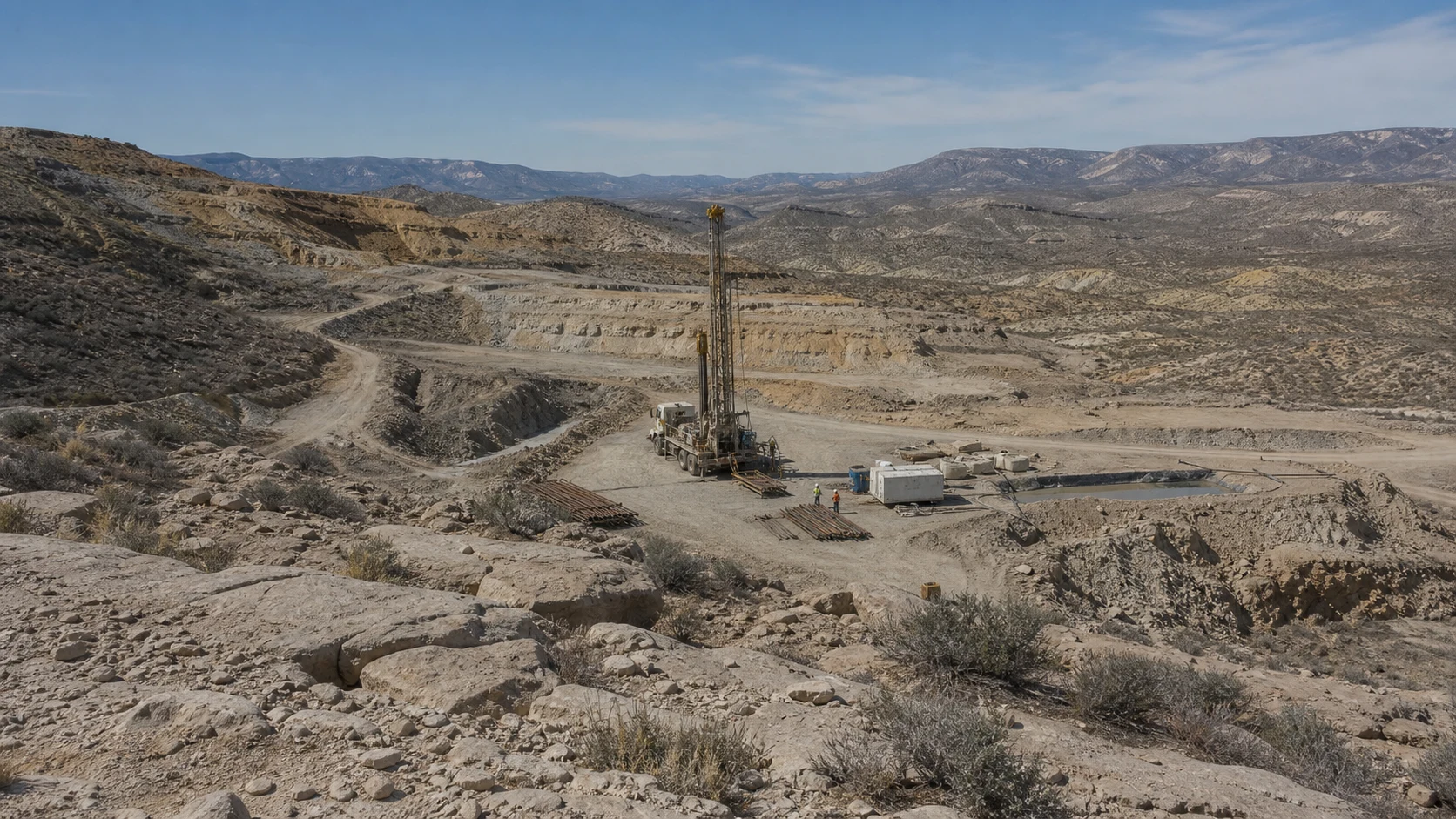
A drilling equipment manufacturer validates configurations before quoting.
Drilling-equipment manufacturer
The system Carric built connects customer requirements, rig configurations and approval records so engineering and sales teams can prepare technically reviewed quotes with separate commercial approvals.
Sales and engineering rebuilt requirements and configuration assumptions for each quote.
One of our clients, a drilling-equipment manufacturer, configures rigs for applications defined by drilling method, formation, depth, diameter, capacity, mobility, handling, tooling, site conditions, operator needs, service support, delivery, and commercial terms. A model match is only the start of the technical response.
Before Carric, Sales and Application Engineering assembled requirements through questionnaires, email, calls, catalogs, engineering references, prior applications, option rules, and price books. Missing requirements delayed the match. Nonstandard options moved through separate technical and commercial conversations, and quote assumptions could drift across revisions.
One geothermal application exposed the recurring constraint. A suitable base rig was clear, but the requested rod-handling and mast combination exceeded one standard package rule. The team needed to preserve the operating objective, validate capacity and compatibility, prepare a technically bounded exception, and keep engineering approval separate from commercial approval.
Carric built a drilling application and quote system. It structures the customer application, validates requirement completeness, matches rigs and tooling, checks capacity and option compatibility, prepares assumptions and exception options, and routes technical fit to Application Engineering leadership. Commercial exceptions follow a separate Sales approval. The approved configuration, quote, CRM, and ERP records share one versioned trace.
Catalogs, option rules, engineering references, prior applications, and nonstandard conditions were reviewed separately.
A change in configuration could alter tooling, support, price, delivery, and the customer explanation.
How a drilling application becomes a technically suitable commercial offer
Each quote now retains its configuration checks and separate approvals.
Carric prepares the technical and commercial path. Application Engineering approves suitability and nonstandard configuration. Sales leadership approves commercial exceptions.
What changed operationally
Teams can trace every quote to its reviewed configuration.
Sales can move faster because requirements, fit, assumptions, exceptions, approvals, and quote revisions stay in one system.
Complete application record
Drilling method, formation, depth, capacity, mobility, tooling, support, and constraints stay connected.
Fit checked before pricing
Rig, option, tooling, capacity, and compatibility evidence is reviewed before the commercial offer.
Technical and commercial authority separated
Engineering suitability and commercial exceptions are approved independently and in sequence.
Assumptions preserved
Every quote revision retains the configuration, evidence, decisions, CRM, and ERP confirmation.
Downloadable system views
See how teams validate and quote a drilling rig.
The PDF shows the key screens and explains how teams review evidence and make decisions.
The views use simulated data.
Where this pattern appears in your engineered sales process
Which equipment quote makes your team rebuild its technical basis?
Bring one representative application, the configuration logic behind it, and the technical and commercial approvals. We will use the first call to map the operating system required.
Book a 30-minute fit call No formal brief is required.